By Molly Maria
Shibari is a rope practice with Japanese roots, often explored through tying and being tied. People approach it as craft, intimate play, performance, or a way of attending to sensation and relationship. Those interests can overlap. They do not have to.
I teach Sensual Shibari through technique, touch, movement and communication. The rope matters. So does the person in it, and the person holding it. If you are new, I would begin with a simpler question than which knot to learn: what has caught your attention?
What are you actually doing?
In a taught session, you might learn how to handle rope, practise a technique, talk about boundaries or notice how a small change in movement alters the experience. Being tied and learning to tie are different activities. You can be interested in either, both, or neither once you have tried them.
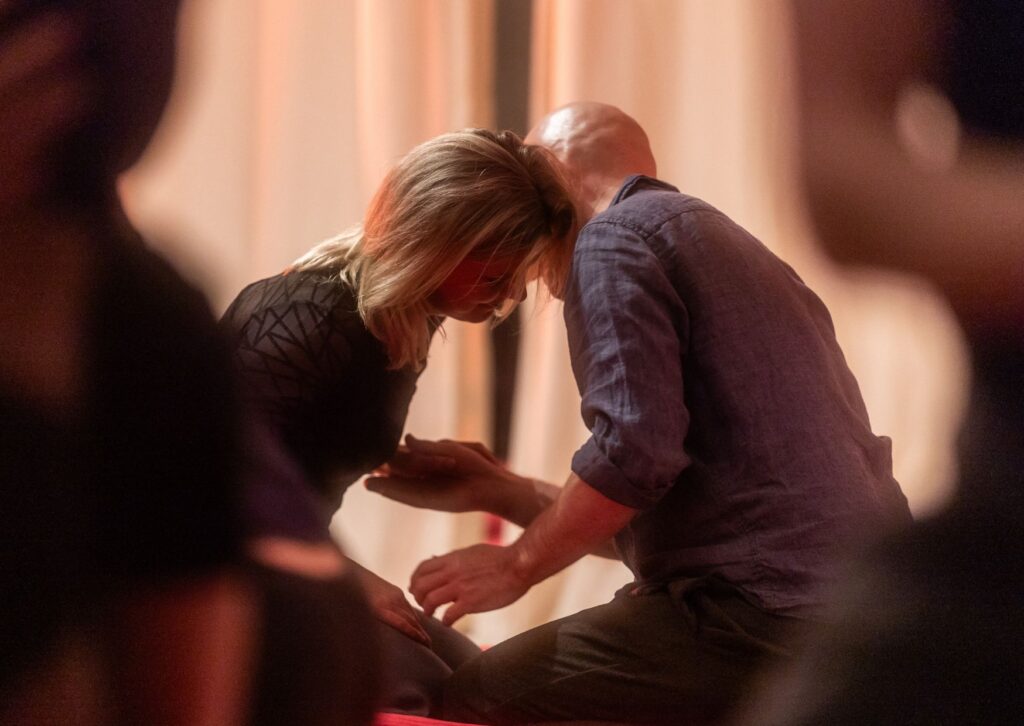
A photograph shows the arrangement of rope. It cannot show the conversation beforehand, the adjustments made along the way, or the training behind a demanding position. I would not use an image as a set of instructions.
Does Shibari have to be sexual?
Rope has a place in erotic and BDSM cultures. I do not erase that context. Equally, taking part in a class does not give anyone permission for sexual contact, nudity, pain or a particular kind of intimacy. The context and the agreement between the people involved determine what is being explored.
In my teaching, sensual means attending to the senses. You might be drawn to texture, movement, closeness or the experience of concentrating on one thing. You do not have to make that interest more dramatic in order for it to count.
Do I need a partner or a particular kind of body?
Some courses are designed for two people; others focus on self-tying. Private guidance offers another route. Check the format before booking rather than assuming that every beginner class works the same way.
There is no single body shape that makes someone a legitimate participant. That does not mean every tie or position suits every body. A responsible learning environment takes differences seriously and is willing to adapt, decline a technique or recommend another approach.
Where I suggest beginning
Choose instruction that makes its prerequisites, risks and boundaries clear. Learn at a level you can understand and respond to, with room to ask questions. Shibari Study also recommends gradual learning, repeated practice of foundations and watching a lesson fully before attempting it.
Rope is not risk-free. This introduction does not teach a tie or make it safe to copy one. Before practical work, learn about consent, nerve risk, emergency release and the limits of the specific exercise you are considering.
You do not need to decide everything now
You can ask what a session involves before deciding whether to book. You can be interested in receiving rope without wanting to learn to tie. You can discover that the idea appeals more than the practice. I would rather help you understand those distinctions than hurry you into an experience that is not yours.