
Shibari history and ethics: learning with context
Follow rope’s Japanese and erotic history, ask about teaching sources and give care to the people and work you encounter.

Follow rope’s Japanese and erotic history, ask about teaching sources and give care to the people and work you encounter.

Plan an ending that feels right for both of you, from comfort and quiet company to useful conversation and a later check-in.

Notice sensation, put your preferences into words and explore how rope can connect bodily attention with a clear choice.

Explore solo rope practice, understand its extra safety considerations and discover how The Sensual Self brings rope, movement and attention together.

Compare recorded courses, private tuition and workshops by the pace, support and kind of practice you want.

Share your curiosity about rope, make room for your partner’s answer and choose a first learning experience together.

Why a neat tie is not a safety assessment, what warning signs deserve attention, and why practical instruction matters.
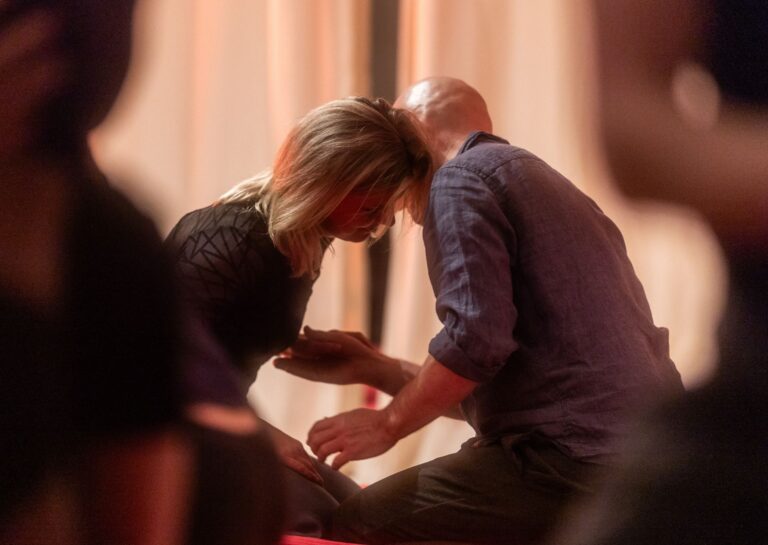
Clear agreements create room for attentive touch. Use practical prompts for discussing roles, boundaries, privacy and how to pause.

What happens before and during a private session, how guided tying differs from tuition, and where to find prices and preparation details.

Explore what draws you to rope, understand solo and partnered formats, and find a clear first step into Sensual Shibari.