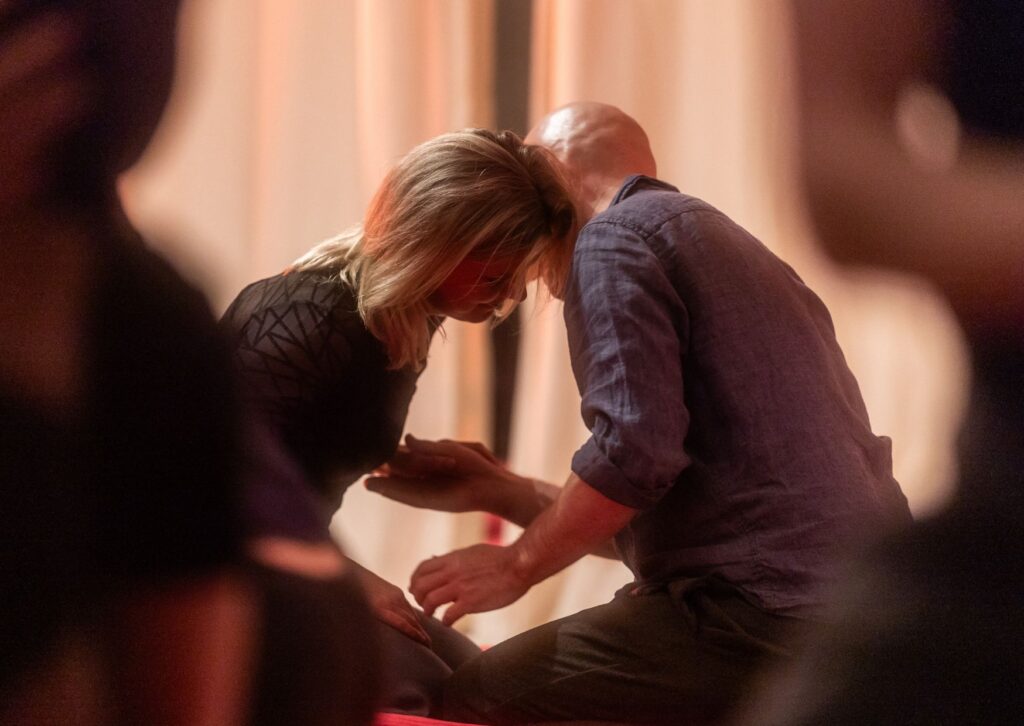
The rope you hold has a history as well as a texture. Shibari is associated with Japanese rope practices and with the development of erotic rope bondage often called kinbaku. Learning about the artists, teachers and communities behind it can deepen the way you practise today.
I teach outside the culture in which modern Shibari developed, so I value the chance to keep learning about its context. Follow the sources, ask who shaped a technique and stay curious about the people whose work you encounter.
Be cautious with a simple origin story
When you encounter an origin story, look for the evidence behind it. The resource below explores these connections and the debates around them, offering a starting point for further reading.
Sensual practice and erotic history
Eroticism, kink and BDSM communities are part of rope’s history and contemporary life. Today’s classes may focus on technique, performance, sensual experience or erotic practice. Read the description and ask about the format so you know what is being offered.
When I describe my teaching as sensual, I mean that we work with the senses, attention and relationship. This sits alongside the erotic history and contemporary communities of rope.
Give credit with care
Respect the people in the image
Keep learning without borrowing certainty
As you learn, ask where a technique comes from and which teachers have shaped the approach. Following those references is a useful way to deepen your understanding beyond the first lesson.
In my teaching, I distinguish what I have learned from others from my own interpretation. Questions about technique, sources and cultural context belong in the conversation. Each lesson can become a place to deepen both your skill and your understanding.